
March 1st, 2026
Visit Today
Work With Us

Living in Wuhan
Pros, cons, and what surprises most newcomers
If you’re researching living in Wuhan, chances are you’ve asked questions like...
“Is Wuhan a good city to live in?”
“What is life like in Wuhan?”
“Is Wuhan safe for foreigners?"
This guide is designed to answer those questions honestly—covering the pros and cons of living in Wuhan, everyday life, and the things that most expats, families, and international professionals don’t expect before moving.
What Is life like in Wuhan?
Wuhan is a major city in central China with a population of over 11 million people. Often described as one of the most livable Tier 2 cities in China, Wuhan combines modern infrastructure, rich history, and a surprisingly relaxed lifestyle.
For many newcomers, daily life in Wuhan feels more balanced than in cities like Beijing or Shanghai—less crowded, more affordable, and easier to navigate once settled.
Pros of living in Wuhan
1. Affordable cost of living in Wuhan
One of the biggest advantages of living in Wuhan, China is affordability. Compared to Tier 1 cities, the cost of living in Wuhan is significantly lower.
Larger apartments at lower rent
Reasonably priced groceries and dining
Affordable transportation and utilities
Families and expats often find they can maintain a higher quality of life on a similar budget.
2. Green spaces and outdoor life
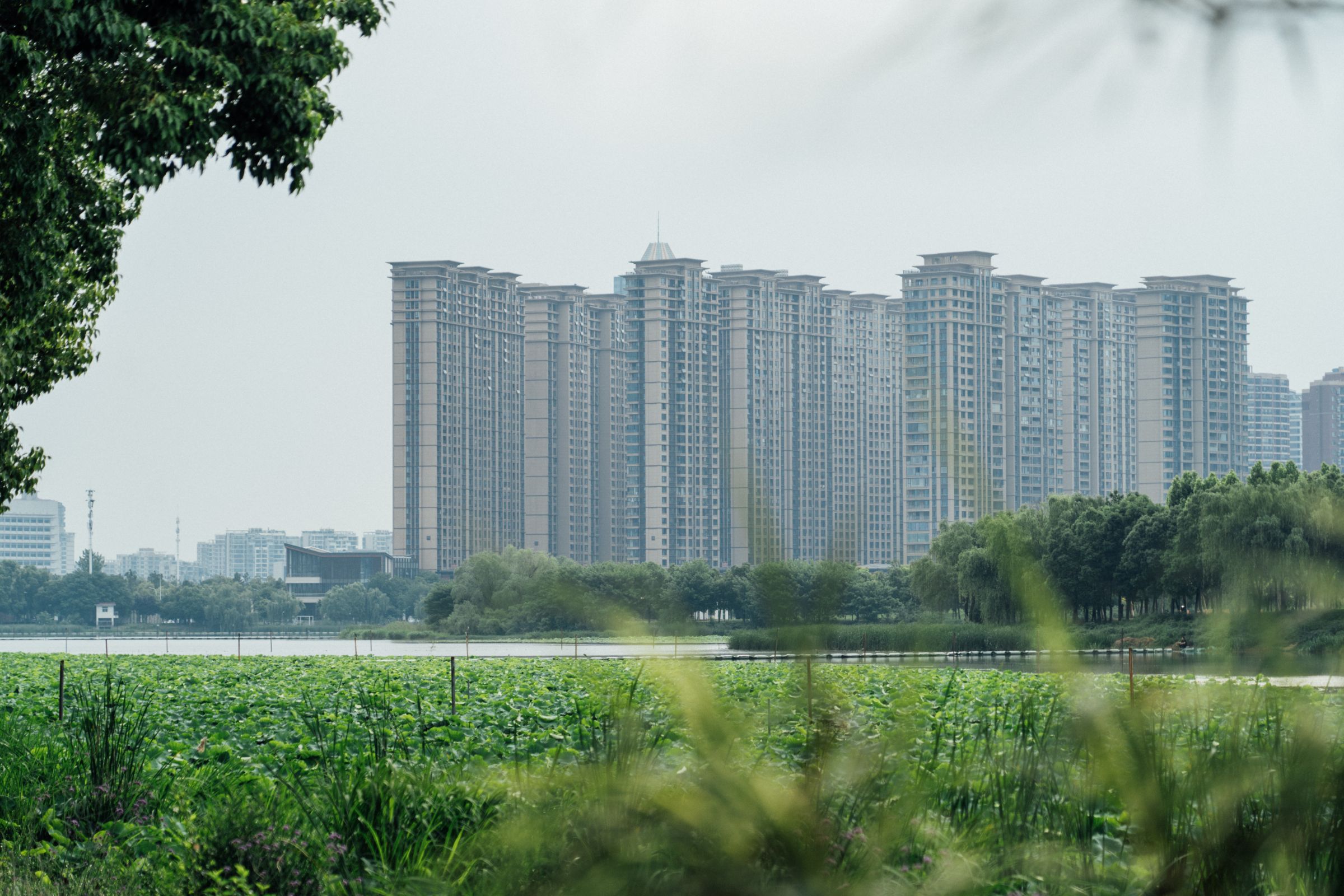
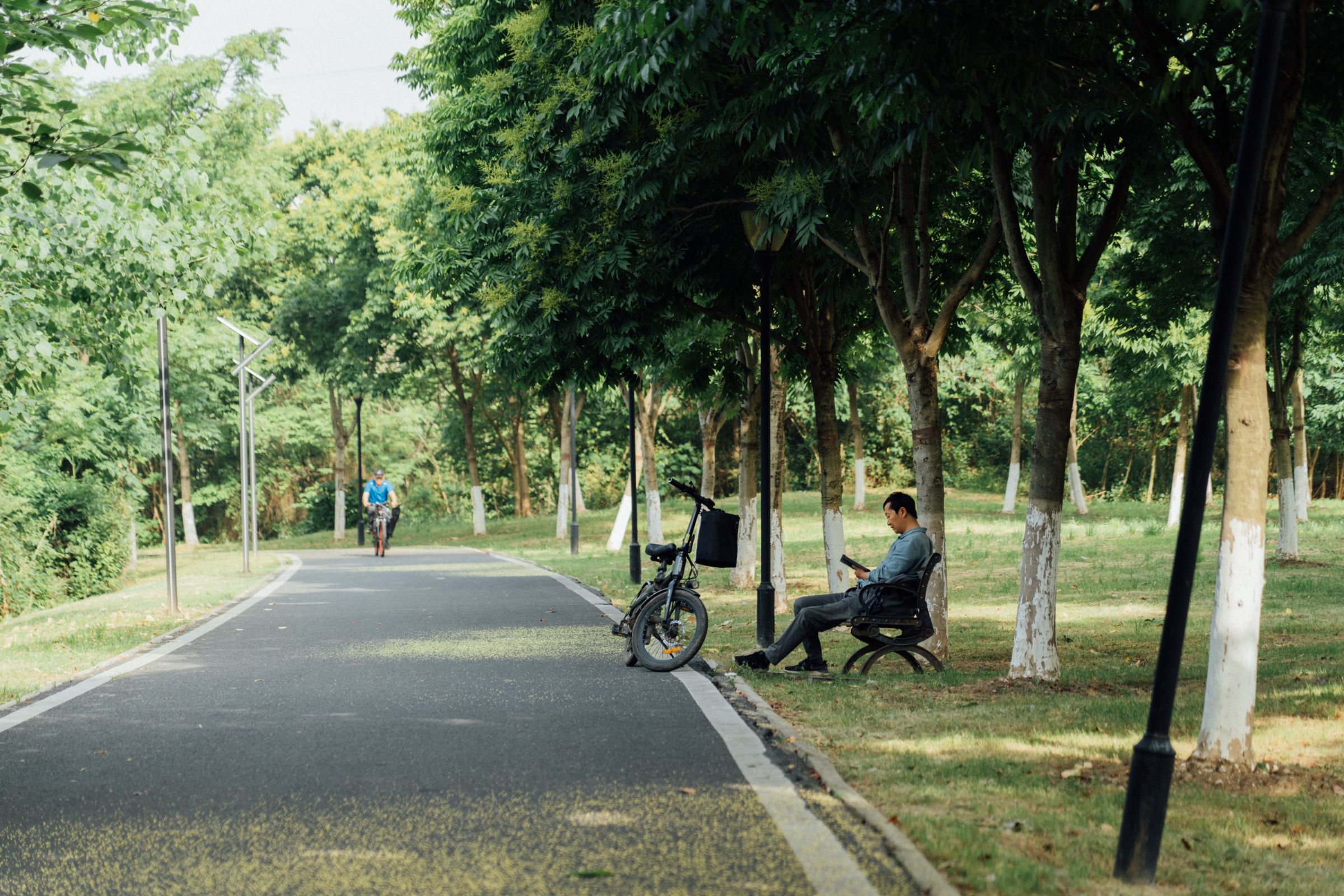
Many people are surprised by how green the city feels. East Lake (Dōnghú, 东湖), one of the largest urban lakes in China, is a central part of Wuhan life. Residents enjoy walking trails, cycling paths, parks, and waterfront views along the Yangtze River.
For those wondering “Is Wuhan good for families?”—access to outdoor spaces is a major plus.
3. Family-friendly lifestyle
Wuhan is widely considered a family-friendly city in China. Children are welcome in restaurants, public spaces, and community areas. Parks, playgrounds, and family-oriented neighborhoods are easy to find.
Parents relocating to Wuhan often mention how natural it feels to raise children here once routines are established.
4. Transportation and connectivity
As a major transportation hub, Wuhan is well-connected:
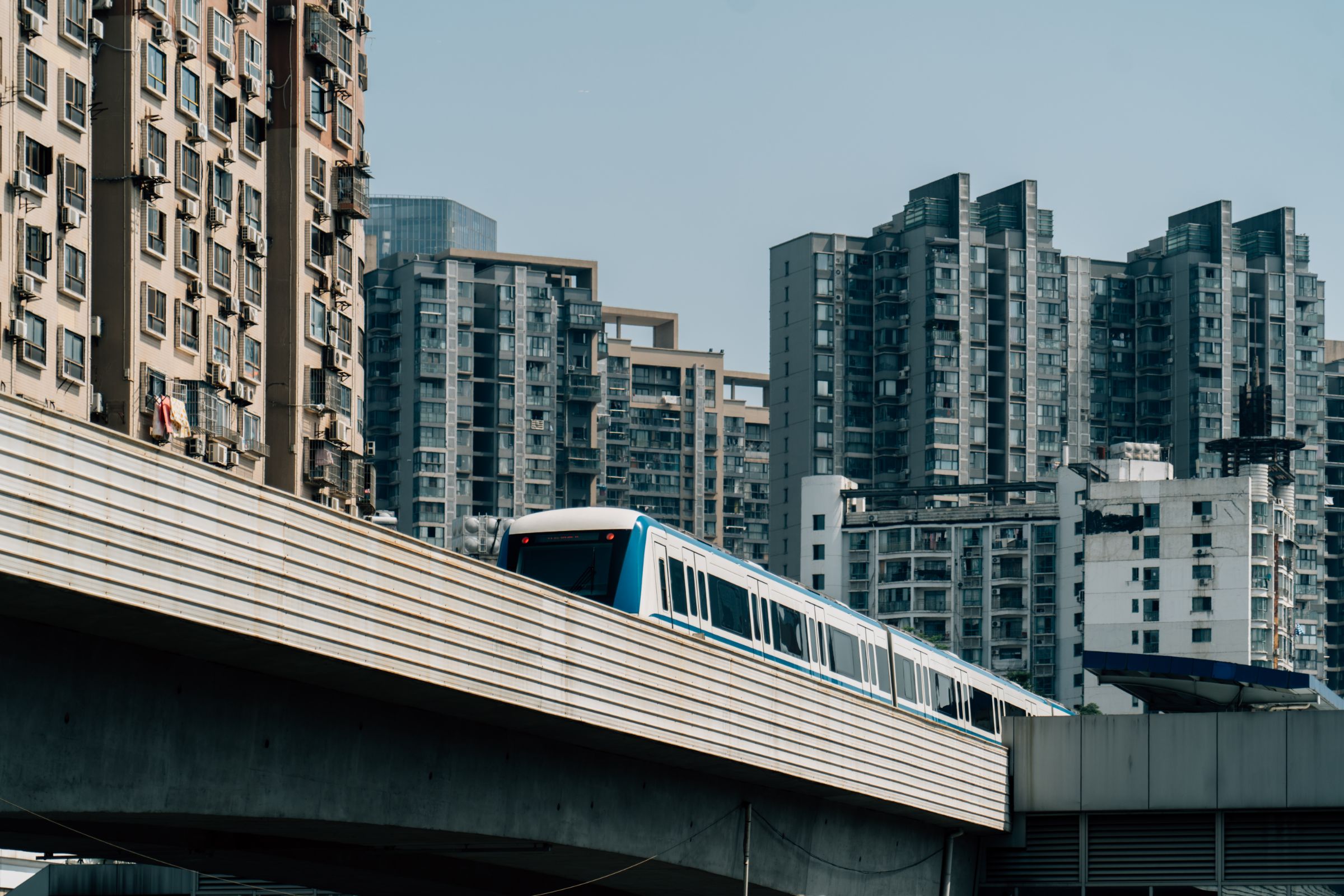
Extensive metro system
High-speed rail to Beijing, Shanghai, Guangzhou, and Shenzhen
Easy domestic travel
For daily commuting and regional travel, getting around Wuhan is relatively efficient.
5. Local food and daily culture
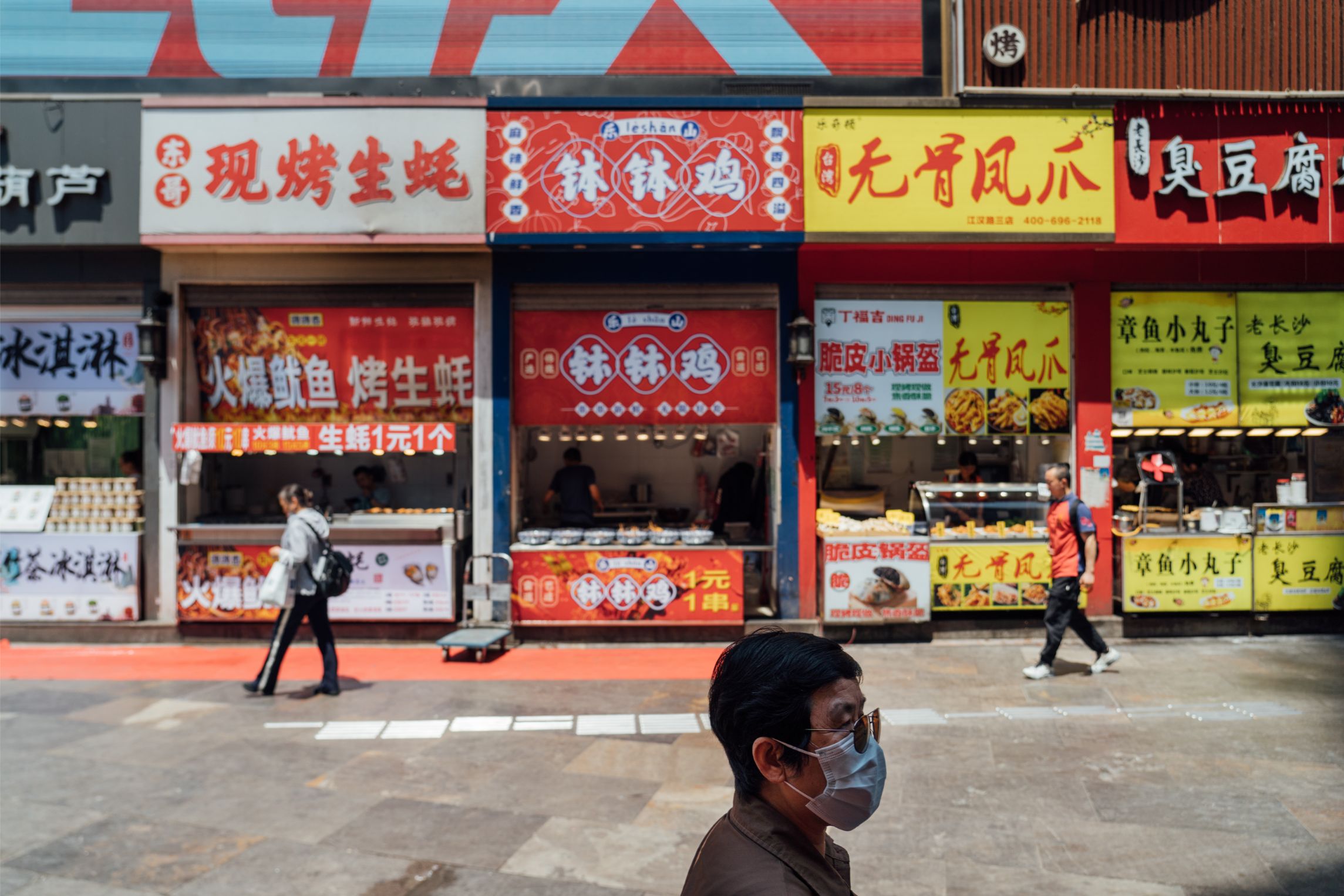
Food plays a big role in everyday life. From hot dry noodles (règānmiàn, 热干面) to neighborhood restaurants and street food stalls, eating out in Wuhan is affordable, social, and deeply local.
Many expats say food culture helps them feel at home quickly. If you need suggestions for local Wuhan food, check out our list of our favorite foods in Wuhan.
Cons of Living in Wuhan
1. Wuhan weather and climate
One of the frequently asked questions about is about Wuhan weather. Summers are hot and humid, earning Wuhan a reputation as one of China’s three “furnace cities,” or sāndàhuǒlú (三大火炉). July and August can be intense, though air conditioning is widely available.
Winters are mild but can feel damp, especially indoors.
2. Language barrier for foreigners
For those asking “Is Wuhan foreigner friendly?”, the answer is yes—but with adjustments. English is not widely spoken outside international environments, which can make early days challenging.
Most expats rely on:
Basic Mandarin
Translation apps
Over time, daily life becomes much easier.
3. City size and commute planning
Wuhan is large and spread across three main districts: Hankou (汉口), Wuchang (武昌), and Hanyang (汉阳). Choosing the right neighborhood is key to minimizing commute time, especially for families with school-aged children.
What surprises most expats and newcomers
1. A slower, more livable pace
Despite being a major Chinese city, Wuhan feels less rushed than many newcomers expect. People spend time outdoors, enjoy long meals, and prioritize family life. This slower pace is one reason many expats choose to stay longer than planned.
2. How quickly Wuhan feels like home
Many people arrive searching “moving to Wuhan China” with uncertainty. What they don’t expect is how quickly Wuhan starts to feel familiar—thanks to affordability, convenience, and welcoming local culture.
Is Wuhan a good city to live in?
For families, professionals, and international residents, the answer is often yes.
Wuhan offers:
A lower cost of living
Strong infrastructure
Green spaces and outdoor life
A family-oriented culture
A balanced lifestyle compared to Tier 1 cities
While challenges exist, many find the trade-offs worthwhile.
A special encounter
Book a personalized tour of Wuhan Yangtze International School and experience this life-changing community for yourself.